 Glenhaven Siding
 Siding Installation in Nooksack: A Job That Has to Match the Climate
Nooksack sits in a part of Whatcom County where the exterior of a house works harder than it does in most of the country. Homes here deal with a mix of coastal-influenced moisture, long stretches of overcast wet weather, and the kind of humidity that keeps organic growth active almost year-round. Siding installation in this area isn't just about picking a color and nailing up panels — it's about building a wall assembly that can shed water, resist salt-laden air, and keep moss and algae from getting a foothold for the next few decades.
We install siding for homeowners throughout the Nooksack area as part of our regular Glenhaven service territory, which means we're not guessing at what this climate does to a house. We're accounting for it in the materials we choose and the way we detail every wall.
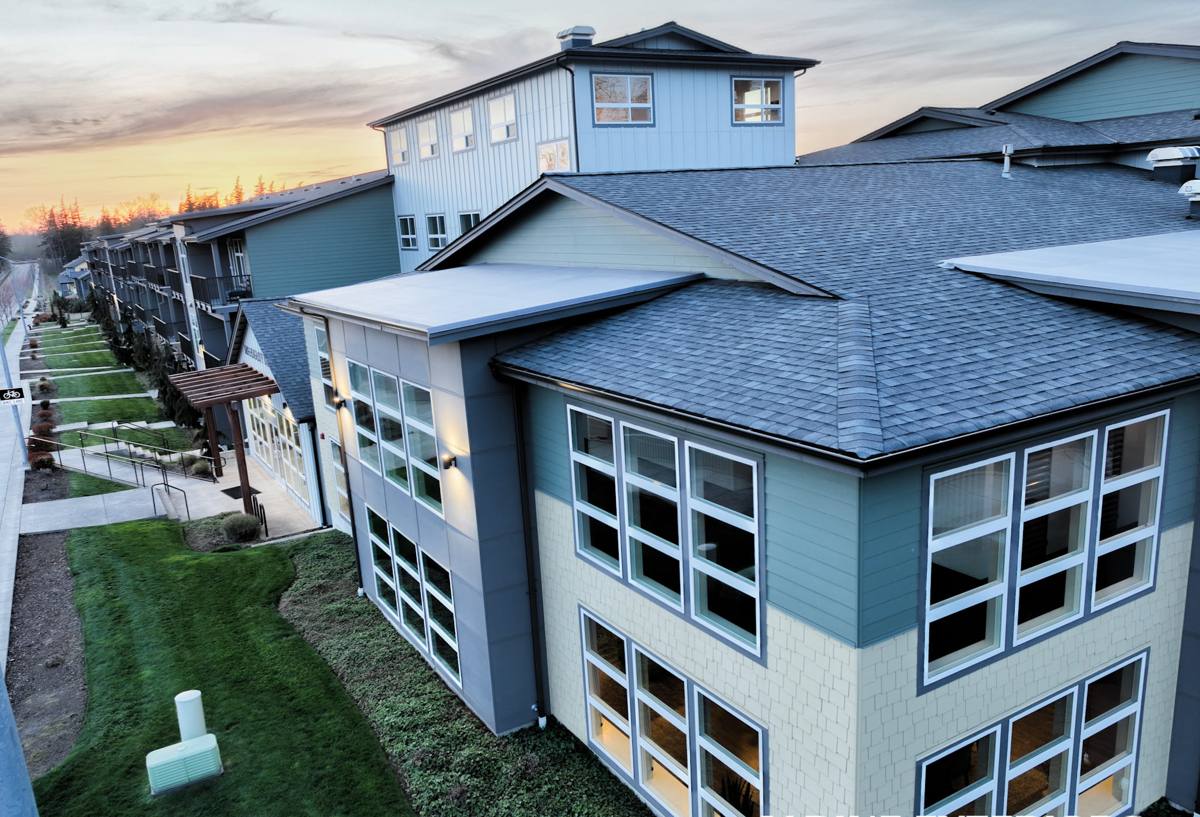
What Salt Air, Driving Rain, and Moss Season Do to Siding Over Time
Three regional conditions show up again and again on Nooksack-area homes, and each one attacks siding differently:
Salt Air
Even away from the immediate waterfront, airborne salt moves inland with weather systems and settles on exterior surfaces. Over years, it accelerates the breakdown of paint films, corrodes exposed fasteners, and speeds up wear on materials that aren't engineered to resist it. Siding that looks fine after five years can start showing chalking, fading, or fastener staining well ahead of schedule if it wasn't built for this kind of exposure.
Driving Rain
This region doesn't just get rain — it gets wind-driven rain that hits siding at an angle, working its way into laps, seams, and penetrations that would stay dry in a calmer climate. A siding system with weak water management at the joints, around windows, or at the bottom of the wall will eventually let moisture behind the cladding, where it can sit against sheathing and framing.
Moss and Algae Season
Shade, moisture, and mild temperatures give moss and algae a long growing season here — often most of the year on north-facing walls or areas shaded by trees. Porous or fibrous siding materials hold onto that moisture and organic buildup longer, which feeds the growth cycle. Siding with a dense, factory-cured surface sheds that moisture instead of absorbing it, which makes a real difference in how much moss actually takes hold.
What a Correct Siding Installation Actually Involves
A siding job that holds up in Nooksack's climate isn't determined by the product alone — it's determined by what happens underneath it. We treat the following as non-negotiable on every installation:
Weather-Resistive Barrier and Flashing
A continuous weather-resistive barrier goes on before any siding, lapped correctly from the bottom up so water is always directed outward and down. Every window, door, and penetration gets flashed so water has a planned exit path instead of a chance to find its own way behind the wall.
Rainscreen Gap and Drainage
Given how much wind-driven rain this area sees, we build in a drainage gap behind the siding so any moisture that does get past the cladding can drain and the wall can dry out instead of staying wet against the sheathing. This is one of the details that separates a durable installation from one that just looks finished on day one.
Fastening, Clearances, and Caulking Per Manufacturer Spec
Fastener type, spacing, and penetration depth all follow the manufacturer's engineering — not shortcuts. We also hold proper clearance between siding and grade, roofing, decks, and other transitions, because tight clearances are one of the most common ways moisture gets trapped against the bottom of a wall.
Joint and Seam Treatment
Butt joints, corners, and trim intersections get treated the way the manufacturer specifies for the climate zone, not just what's fast. In a high-moisture region, a poorly sealed joint is often where the first failure shows up.
Why We Only Install James Hardie Fiber Cement Here
We standardized on James Hardie fiber cement siding for every project we take on, including the ones in and around Nooksack, and it comes down to how the material performs against exactly the conditions described above. Hardie's fiber cement is non-combustible, dimensionally stable in wet climates, and finished with the ColorPlus factory coating, which is baked on and holds color and resists fading far better than field-applied paint on wood-based or engineered wood products.
It also resists moisture absorption in a way that matters directly for moss and algae growth — a dense fiber cement surface doesn't hold water the way wood, engineered wood, or some composite products can, which slows down the growth cycle instead of feeding it. Hardie's HZ5 product line is engineered specifically for climates like this one, with freeze-thaw and moisture cycling in mind.
We don't install vinyl, LP SmartSide, primed spruce, cedar, or other fiber cement brands. That's a deliberate standard, not a sales pitch — we've made the call that Hardie's combination of factory finish, moisture performance, and transferable warranty gives Nooksack homeowners the best long-term outcome for what this climate puts a house through.
Our Process for a Nooksack Siding Installation
- On-site assessment. We walk the exterior, check current siding and sheathing condition, look at drainage paths, roofline transitions, and any moss or moisture staining already present.
- Scope and product selection. We recommend the Hardie plank, panel, or shingle profile and ColorPlus finish that fits the home, and explain the wall assembly details we'll build in.
- Removal and inspection. Old siding comes off and we inspect the sheathing underneath for rot or moisture damage before anything new goes up — this step catches problems that would otherwise get sealed behind new siding.
- Weather barrier, flashing, and drainage gap installation. This is the layer that determines how the wall performs over the next 20-plus years, and we don't rush it.
- Siding installation to manufacturer spec. Fastening, clearances, and joint treatment follow Hardie's published requirements for this climate zone.
- Final walk-through. We review the finished work with the homeowner and confirm trim, caulking, and touch-up are complete.
Cost Factors for Siding Installation in the Nooksack Area
Every home is different, but the same factors drive cost on most projects we quote in this area:
| Factor | Why It Matters |
|---|---|
| Home size and wall complexity | More square footage, corners, and roofline transitions mean more material and labor time |
| Removal and sheathing condition | Rot or moisture damage found during tear-off adds repair scope before new siding can go on |
| Siding profile and finish | Lap width, shingle-style panels, and specialty ColorPlus finishes vary in material cost |
| Trim and detail work | Window and door surrounds, corner boards, and fascia detailing add labor |
| Access and site conditions | Steep grades, tree cover, or tight lot access can affect staging and labor time |
We give exact numbers only after seeing the home in person — anyone quoting a firm price without an on-site look isn't accounting for what's actually on the wall.
Signs Your Current Siding Needs Attention
Homeowners in the Nooksack area often notice one or more of these before calling us:
- Moss or algae that keeps returning within a season or two of cleaning
- Soft spots, warping, or visible swelling, especially near the bottom of walls or below windows
- Paint that's peeling, bubbling, or wearing unevenly across different wall faces
- Visible fastener staining or corrosion
- Gaps opening up at seams, corners, or trim joints
- Rising energy bills that suggest the wall assembly isn't performing the way it used to
None of these mean a home needs full replacement automatically, but they're worth a professional look before they turn into sheathing damage.
Why Hiring a Crew That Already Works in Nooksack Matters
Siding installation done right depends on understanding what a specific climate does to a wall over time, not just following a generic install manual. A crew that regularly works in and around Nooksack already knows how driving rain behaves against these homes, where moss tends to establish first, and which details actually hold up through a full Whatcom County wet season. That local pattern recognition shows up in the small decisions — flashing details, drainage planning, fastener choices — that a one-time or out-of-area crew is more likely to miss.
We're part of the Glenhaven service area, and Nooksack is regular territory for us — not a special trip. That familiarity is part of what we bring to every estimate.
If your Nooksack-area home needs new siding or you're not sure whether it's time yet, we're glad to take a look. Fill out the form below for a free, no-pressure estimate.