 Glenhaven Siding
 Windows Built for Cordata's Weather, Not Just the Catalog Photo
Cordata sits close enough to the water and the marine air pattern that moves through Whatcom County that windows here work harder than they do in drier inland climates. Salt-laden air accelerates corrosion on hardware and frame fasteners. Driving rain, pushed sideways by wind off the Strait and the Sound, tests every seal and flashing detail multiple times a season. And the long stretch of damp, low-light months that lets moss and algae take hold on roofs and siding does the same thing to window sills, tracks, and frame joints if they're not detailed to shed water and dry out. A window that's rated well on paper can still underperform in Cordata if it wasn't installed with this specific climate in mind.
This page is about one thing: energy-efficient window replacement and repair for homes in the Cordata area. Not a general product catalog, not a citywide overview — what actually matters when you're deciding whether to replace, repair, or hold off on the windows in your own house.
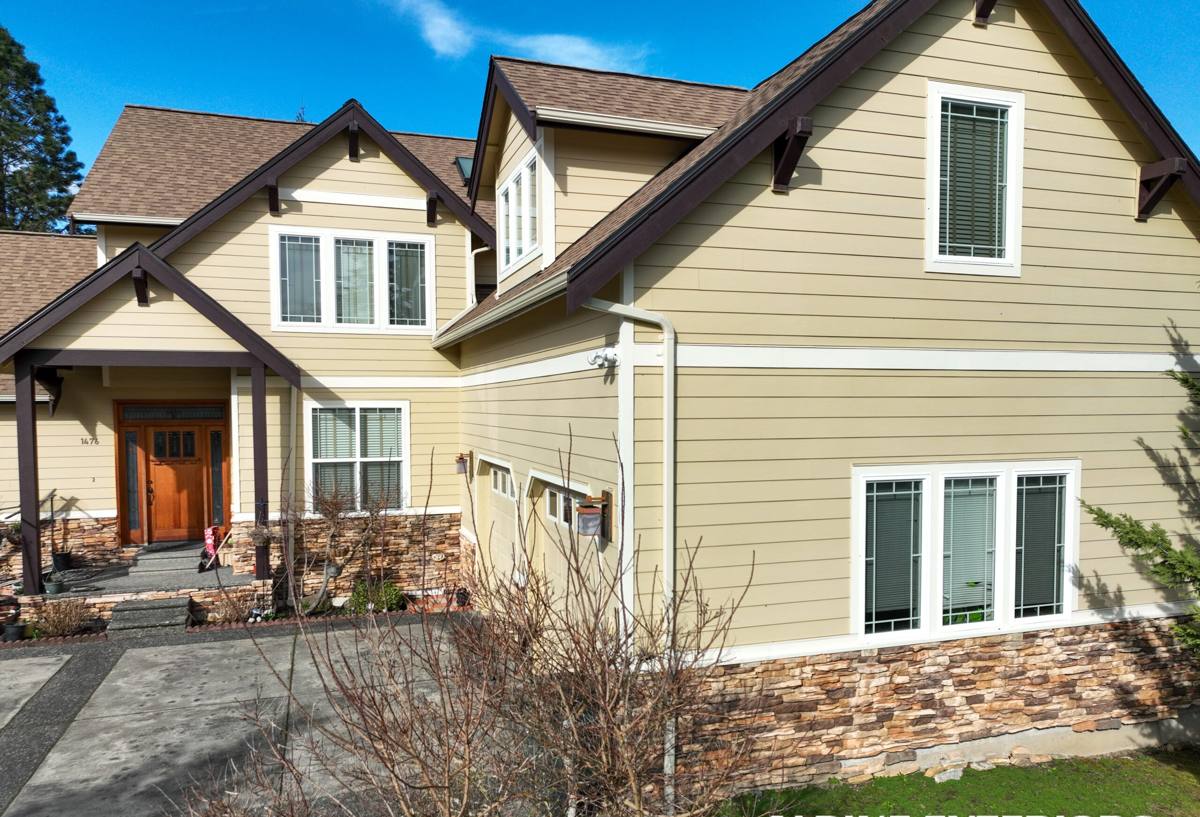
What Cordata's Climate Actually Does to Windows
Salt Air and Corrosion
Even a few miles from open water, airborne salt finds its way onto exterior hardware — hinges, cranks, balance systems, and screws. Over years, this corrodes lower-grade metal components, causing windows to stick, bind, or stop sealing tightly. Once a window won't close flush, its energy performance drops regardless of how good the glass package is.
Driving Rain and Wind-Driven Water
Wind-driven rain doesn't just fall on a window — it gets pushed into every gap, lap, and seam. Flashing details, sill pans, and the quality of caulking and sealant work matter as much as the window unit itself. A premium window installed without proper flashing will leak; a mid-grade window installed correctly usually won't.
Moss Season and Sustained Moisture
Whatcom County's long damp season means window sills and the wood or composite trim around them stay wet for extended stretches. Where drainage is poor or caulking has failed, that moisture sits, and over time it can lead to soft wood, stained sills, or the kind of slow rot that isn't visible until a window is pulled and the frame behind it is exposed.
Signs a Cordata Home's Windows Need Attention
- Visible condensation or fogging between panes (a failed seal on a double- or triple-pane unit)
- Drafts you can feel near the frame on a windy day, even with the window latched
- Windows that are hard to open, close, or lock — often a sign of frame warping or hardware corrosion
- Soft, discolored, or spongy wood on the sill or lower frame
- Noticeably higher heating bills in winter months compared to similar-sized homes nearby
- Paint or finish that's peeling or bubbling near the window edges, which usually points to trapped moisture
- Visible daylight or gaps around the frame from outside
Repair or Replace? A Practical Look
Not every window with a problem needs to be replaced. Sometimes a failed seal, worn weatherstripping, or a corroded hardware piece can be fixed for a fraction of replacement cost. Other times, the frame itself has taken on enough moisture damage that repair would just be delaying the inevitable. We look at the whole picture — frame material and condition, how many issues a given window has, the age of the unit, and what it would cost to properly repair versus replace — before recommending either path.
| Situation | Repair Usually Makes Sense | Replacement Usually Makes Sense |
|---|---|---|
| Foggy glass, otherwise sound frame | Yes — glass unit swap | Only if frame is also failing |
| Stiff or corroded hardware | Yes — hardware replacement | Not usually needed alone |
| Soft or rotted sill/frame wood | Rarely — damage tends to spread | Yes |
| Drafts with visible gaps at frame | Sometimes — resealing/flashing repair | Yes if gaps recur after repair |
| Single-pane, original to an older home | Rarely cost-effective long term | Yes, for real energy gains |
| Multiple failures across several windows | Adds up close to replacement cost | Yes, usually more economical |
What Goes Into a Correct Window Installation Here
Sill Pan Flashing
Before a new window goes in, the rough opening needs a sill pan that directs any water that gets past the window itself back out, not into the wall cavity. This is one of the most commonly skipped steps on lower-quality installs, and it's exactly the detail that matters most given how much wind-driven rain Cordata sees.
Proper Air and Water Sealing
Sealing isn't just running a bead of caulk around the trim. It means integrating the window with the home's weather-resistive barrier in the correct order — flashing tape, housewrap laps, and sealant placed so water is always directed outward and downward, never trapped behind the siding.
Shimming and Squaring
A window that isn't shimmed level and square won't operate smoothly for long, and gaps between the frame and shims are a common place for drafts to develop. This step takes time to do right, and it's one of the easiest to rush.
Insulation at the Frame Gap
The gap between the window frame and the rough opening needs to be filled with an appropriate low-expansion foam or insulation — not packed so tight it bows the frame, not left so loose it becomes a thermal gap.
Interior and Exterior Trim Detailing
Exterior trim needs to be caulked and, where relevant, back-primed or sealed on all sides before installation — a detail that matters more in a damp climate like this one than in drier regions where builders sometimes skip it without consequence.
Choosing the Right Window Type for a Coastal-Influenced Climate
Frame material and glass package both affect how a window holds up here.
Frame Materials
Vinyl frames resist corrosion well and are a solid, cost-effective choice for most homes. Fiberglass frames offer more dimensional stability across temperature swings and hold paint well if you want a custom color. Wood frames look great and perform well when properly maintained, but they need more upkeep in a climate with this much sustained moisture — regular inspection and refinishing keeps them sound. Aluminum-clad options combine a wood interior with a low-maintenance exterior, which can be a good middle ground.
Glass Packages
Double-pane, low-E glass with argon fill is the practical baseline for energy performance in this region. Triple-pane goes further on insulation value and is worth considering for north- or west-facing rooms that take the brunt of wind and weather, though it adds cost and weight. The right low-E coating also helps manage solar heat gain during the brighter summer stretches without sacrificing warmth retention in the winter months.
Hardware
Given the corrosion risk from salt air, we favor hardware rated for coastal or marine-adjacent exposure over standard-grade components. It costs a little more upfront and saves a lot of frustration five or ten years down the road.
How the Process Works
- On-site assessment. We look at each window in question — frame condition, hardware, signs of moisture, current performance — and give you a straight answer on repair versus replacement.
- Written estimate. You get a clear breakdown of scope, materials, and cost before anything is scheduled.
- Product selection. We walk through frame material and glass package options suited to your home's exposure and your budget, without upselling features that won't pay off for your specific situation.
- Installation. Proper flashing, sealing, shimming, and insulation at every opening — the steps that determine whether a window performs for twenty years or five.
- Final walkthrough. We check operation, seal quality, and finish work with you before calling the job done.
Why Local Installation Experience Matters
A crew that regularly works in Cordata and the surrounding Whatcom County area has already seen how salt air, wind direction, and the long damp season play out on real houses — not just in a training manual. That means knowing which sill details tend to fail first in this specific climate, which hardware grades are worth the upcharge, and which corners genuinely can't be cut here even if they'd be fine somewhere drier. It also means we're a known, reachable local business if a question comes up after the job is finished, not a crew that installed windows here once and moved on.
Maintaining Energy-Efficient Windows in This Climate
New windows still need some upkeep to keep performing well in a marine-influenced climate. A little attention twice a year goes a long way.
- Clear debris and standing water from window tracks and sills, especially after fall leaf drop
- Check and re-lubricate hardware annually to fight off salt-air corrosion
- Inspect exterior caulking each spring and fall for cracking or separation
- Wipe down and inspect for early moss or algae growth on sills and trim during the damp months
- Test locks and operation seasonally — stiffness is often the first sign of a developing issue
Get a Straight Answer for Your Windows
If you're dealing with drafts, fogged glass, sticking hardware, or windows that just feel like they're not keeping up anymore, we're happy to take a look and give you an honest read on what's actually needed — no pressure, no upsell. Use the form below to request a free estimate for your Cordata home.