 Glenhaven Siding
 When a Storm Hits an Everson Roof
A hard blow through the Nooksack Valley doesn't always leave obvious damage. Shingles can lift at a corner, a branch can crack a ridge cap, or wind-driven rain can work its way under a seam without a single shingle ending up in the yard. Homeowners in Everson and the surrounding Glenhaven area often don't know they have a problem until a stain shows up on a ceiling weeks later, by which point the sheathing underneath has already been wet for a while. Getting a roof looked at soon after a storm — even when nothing looks obviously wrong from the ground — is the difference between a straightforward repair and a much larger one.
We work storm damage repairs in this area regularly, and the pattern is consistent: the damage that costs the most is the damage that goes unaddressed the longest.
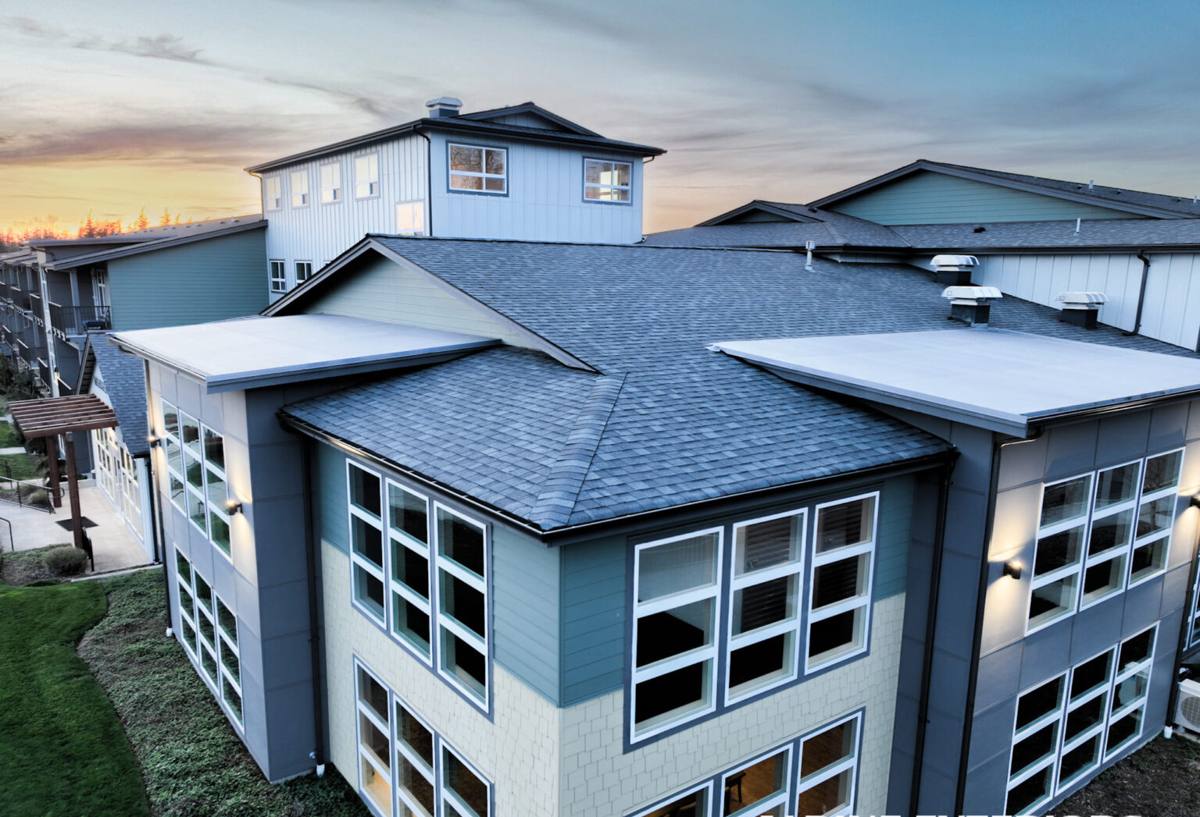
Why Whatcom County Weather Is Hard on Roofs
Whatcom County sits in a marine-influenced climate, and that shapes what a roof has to deal with here. Storm systems moving in off the water carry salt-tinged, damp air well inland, and that moisture doesn't just fall as rain — it sits in the air for days at a time. Add in wind events that come through the valley with enough force to lift shingle edges, and you get a combination most roofing materials weren't originally tested against in drier climates.
Wind and Rain Working Together
Wind alone rarely tears a roof apart. What actually causes damage is wind that lifts a shingle tab just enough for driving rain to get underneath it. Once water is under the shingle line, it travels — often sideways, along the underlayment — before it ever shows up as a leak inside the house. That's why storm damage repair has to include checking the areas around the visible damage, not just the spot that looks bad.
A Long Moss Season
Between the shade from surrounding trees and the number of damp, low-sun months in a typical Whatcom County year, moss has a long growing season here. Moss holds moisture against the shingle surface and works its way under tabs and around flashing, which weakens the seal that's supposed to keep water out in the first place. A storm-damaged roof with existing moss growth fails faster than a clean one, because the moss has already been doing quiet damage before the storm ever arrived.
Signs Your Everson Home Needs Storm Damage Repair
Some damage is easy to spot from the ground after a storm. Other signs take a closer look, either from a ladder or from inside the attic. Worth checking for:
- Shingles that are missing, curled, cracked, or visibly lifted at the edges
- A sudden increase in granules collecting in gutters or at downspout outlets
- Bent, creased, or missing flashing around chimneys, vents, or skylights
- Water stains, discoloration, or soft spots on ceilings or upper walls
- Daylight visible through the roof deck when viewed from inside the attic
- Sagging or uneven roof planes, which can indicate wet, weakened sheathing
- Debris — branches, needles, moss clumps — built up in valleys or behind chimneys
- Exposed nail heads where a shingle tab has pulled back
Any one of these on its own might be minor. Several together, especially after a known wind or rain event, is a reason to have the roof inspected before the next storm arrives.
What a Correct Storm Damage Repair Actually Involves
Stopping Active Water Intrusion First
If a roof is actively letting water in, the first job is to stop that — not to plan a permanent fix on the spot. That usually means a properly secured tarp or temporary covering over the affected section, done in a way that doesn't create new penetration points or trap water against the deck.
A Full Inspection, Not Just a Spot Check
Storm damage rarely stays contained to the spot that's visible from the ground. Once it's safe to get on the roof, the right approach is to check the whole slope that took the hit, plus adjacent flashing, valleys, and penetrations, since wind and water don't respect the boundaries of a single shingle.
Deciding Repair vs. Replace
Not every storm-damaged section needs to become a full re-roof. A localized wind or impact event can often be repaired by matching and replacing the affected shingles and underlayment without touching the rest of the roof — as long as the surrounding material is still sound and the shingle line is close enough in age and condition to blend properly. Where the roof was already near the end of its service life, or where water has been sitting under the surface for a while, a larger section may need to come off to get back to dry, solid decking.
Matching, Not Guessing
Shingle color and profile change between manufacturing runs, so a patch repair on an older roof won't always be invisible. We tell homeowners honestly when a perfect match isn't realistic, rather than promising one and delivering a mismatched patch.
Repair Options and What Drives the Cost
The right scope of repair depends on how far the damage spread and how the existing roof was holding up before the storm. Here's roughly how the tiers break down:
| Repair Type | What's Involved | What Drives the Cost |
|---|---|---|
| Emergency tarp / temporary seal | Stops active leaking until permanent repair can be scheduled | Roof pitch, access, size of the affected area |
| Spot or shingle-level repair | Replacing individual shingles, flashing, or a small section of underlayment | Number of shingles affected, ease of matching existing material |
| Partial section replacement | Tearing off and rebuilding one slope or a defined damaged area down to the deck | Deck condition underneath, underlayment type, flashing detail work |
| Full roof replacement | Whole roof torn off and replaced, usually when storm damage exposed a roof already near end of life | Total roof area, material choice, number of layers being removed, deck repair needs |
We won't push a full replacement when a targeted repair will genuinely hold up, and we won't patch a roof that's too far gone to make a patch worth paying for. The inspection is what determines which category a given roof falls into — not a set script.
Preventing the Next Storm From Doing the Same Damage
Once the repair is done, a few maintenance habits go a long way in this climate specifically:
- Keep gutters and valleys clear so wind-driven rain has somewhere to go instead of backing up under shingles
- Address moss growth before it spreads under tabs and around flashing — treating it early is far cheaper than repairing what it damages
- Keep overhanging branches trimmed back from the roofline to reduce impact risk in the next wind event
- Check attic ventilation, since trapped moisture from poor airflow compounds the effect of any storm-related leak
- Have flashing around chimneys, vents, and skylights checked periodically — these are the first places a storm finds a weak seal
Why a Crew That Already Works Everson Matters
After a significant storm moves through Whatcom County, roofing contractors get busy fast, and out-of-area crews and door-to-door "storm chasers" tend to show up offering fast contracts. A crew that already works in Everson and the Glenhaven area has a reason to do the job right the first time: we're going to be reachable next season, not gone once the check clears. We're also familiar with the roofing styles and material ages common to homes in this area, which speeds up the "repair or replace" decision instead of defaulting to the most expensive option out of unfamiliarity.
Insurance Documentation Done Right
Most storm damage repairs in this area involve an insurance claim, and how the damage is documented matters almost as much as the repair itself. Clear photos of the damage before any tarping or repair work begins, a written scope that separates storm-caused damage from pre-existing wear, and a straightforward conversation with the adjuster all help the claim move without unnecessary back-and-forth. We document what we find honestly — we won't inflate a scope to pad a claim, and we won't understate damage to make a job look simpler than it is.
If a recent storm left you wondering about the condition of your roof, or you just want a second opinion before signing anything with a contractor who showed up unannounced, we're glad to take a look. Reach out for a free, no-pressure estimate using the form below — we'll tell you honestly what we find, whether that's a small repair or something bigger.