 Glenhaven Siding
 Siding Repair Built for Ferndale's Climate
Ferndale sits close enough to Bellingham Bay and the Strait of Georgia that salt-laden air is a constant companion to anything on the outside of a house. Add Whatcom County's long wet season, heavy tree cover in many neighborhoods, and a moss season that can run from October through May, and you have a climate that is genuinely hard on exterior siding. Homes here don't fail because owners neglected them — they fail because most siding products simply weren't engineered for this combination of moisture, salt, and shade.
We work Ferndale regularly, which means we're not guessing at what's driving a repair call. We already know which elevations take the worst weather, which product types show damage first, and what a correct repair actually requires in this environment versus a drier inland climate.
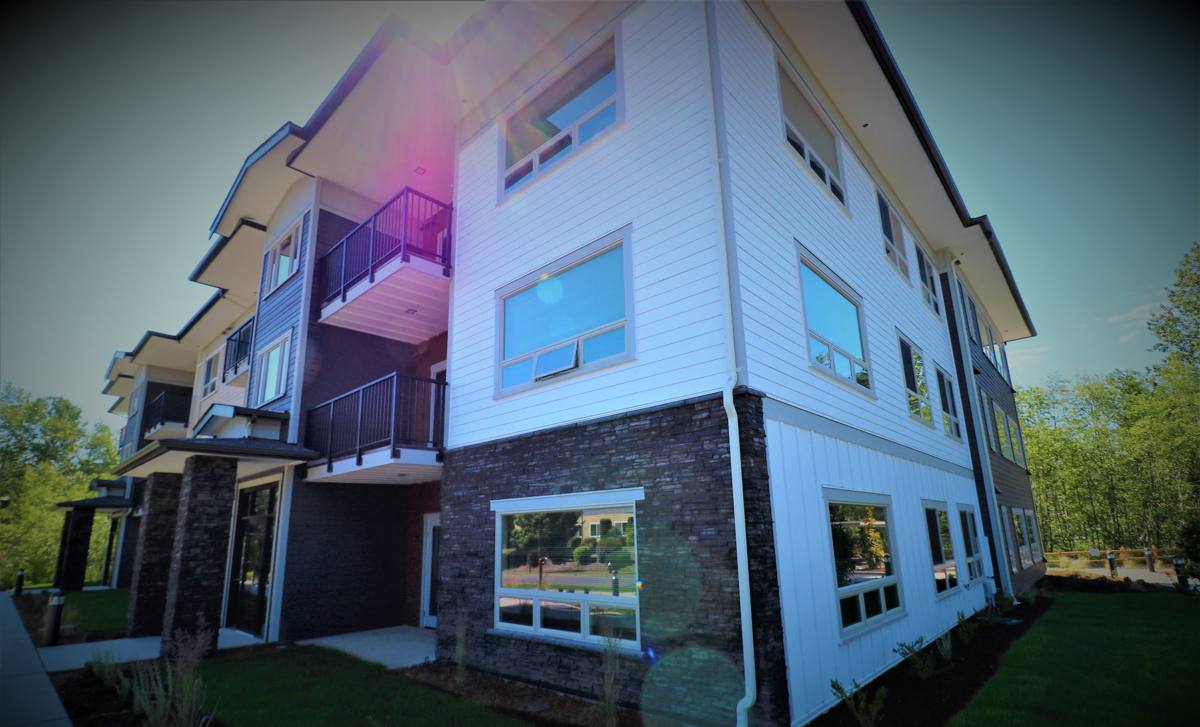
What's Actually Damaging Ferndale Siding
Moisture That Doesn't Dry Out
Whatcom County gets a lot of grey, damp, low-sun days in a row. Siding that gets wet from rain — or from sprinklers, condensation, or ground moisture — needs time and airflow to dry back out. On many Ferndale lots, especially properties with mature trees or homes tucked close to neighbors, that drying window is short. Materials that absorb water and swell, or that trap moisture behind them due to poor flashing or house-wrap detailing, stay damp far longer than they should. Over time that shows up as soft spots, bubbling paint, buckling boards, or rot at the bottom courses and around windows.
Moss and Organic Growth
Moss doesn't just grow on roofs here — it colonizes siding, especially on north-facing walls, under eaves, and anywhere shade keeps a surface from ever fully drying. Moss holds moisture directly against the siding surface, which accelerates whatever moisture damage is already happening underneath. Once moss gets established in gaps, seams, or damaged caulking, it's doing ongoing harm even if the wall looks mostly fine from the street.
Salt Air and Coastal Exposure
Ferndale isn't right on the water the way some Whatcom County communities are, but it's close enough that salt air reaches homes, particularly on west- and southwest-facing walls that catch prevailing weather off the water. Salt exposure accelerates the breakdown of paint films, corrodes exposed fasteners, and speeds up deterioration of any siding material that wasn't built to handle it.
How These Conditions Show Up as Repair Calls
- Soft, spongy, or crumbling siding near the bottom of walls or below windows
- Paint that's peeling, bubbling, or chalking faster than it should
- Visible moss or black streaking on shaded or north-facing elevations
- Gaps opening up at seams, corners, or trim joints
- Boards that have cupped, warped, or pulled away from the wall
- Rust staining around nail heads or fasteners
- Soft trim boards around windows and doors, even when the field siding looks okay
- A musty smell or visible staining on interior walls that back up to exterior siding
Any one of these on its own might be minor. Several together, especially clustered on one elevation, usually points to a moisture problem that's been developing for a while.
What a Correct Repair Actually Involves
A lot of siding "repairs" amount to patching the visible damage and repainting over it. That approach almost always fails again within a couple of seasons in this climate, because it doesn't address why the damage happened in the first place. Our process is built around finding and fixing the cause, not just covering the symptom.
1. Diagnose Before Touching Anything
We start by identifying what's actually failing — the siding material itself, the flashing and water management behind it, the caulking and sealant joints, or some combination. This matters because replacing boards without fixing a flashing problem underneath just resets the clock on the same failure.
2. Check What's Behind the Siding
Where damage is significant, we pull back affected sections to look at the house wrap, flashing, and sheathing underneath. If water has been getting behind the siding, there's often damage to address at that layer before any new siding goes back up. Skipping this step is the single most common reason siding repairs don't hold up.
3. Match Materials and Method
Repairs need to match the existing siding's profile, reveal, and finish closely enough that the patch doesn't stand out — and they need to be installed with the same attention to flashing and fastening as a full installation. A rushed patch job is often more visible, and more failure-prone, than the damage it replaced.
4. Address the Moss and Growth Problem, Not Just the Stain
Cleaning moss off siding without addressing the shade, airflow, or moisture source that let it grow usually means it's back within a year or two. Where trim work, gutter adjustments, or trimming back vegetation can reduce future moss pressure, we'll flag it as part of the repair conversation.
5. Seal and Finish Properly
Caulking and paint are not cosmetic afterthoughts — they're part of the water management system. We use products and application methods suited to the local climate, and we don't caulk over gaps that should have been flashed instead.
Repair or Replace? A Honest Framework
Not every repair call ends in a repair — and not every damaged wall needs full replacement. Here's how we think through it:
| Situation | Typical Recommendation |
|---|---|
| Isolated damage on one or two boards, structure underneath is sound | Targeted repair, matched to existing siding |
| Damage concentrated on one elevation due to a specific cause (failed flashing, gutter overflow, sprinkler spray) | Repair the siding and fix the underlying cause |
| Widespread soft spots, rot, or moisture damage across multiple walls | Full or partial re-side is usually more cost-effective than repeated patching |
| Siding material itself (not just this section) is prone to moisture absorption or swelling | Repair now, but plan for replacement with a moisture-resistant material |
| Cosmetic wear only — fading, chalking, light moss — no soft spots or gaps | Cleaning and repainting/refinishing may be enough |
We'll tell you honestly which category your home falls into. A small repair that actually solves the problem is a better outcome for you than an upsell — and it's also the outcome that keeps us getting called back to Ferndale.
Why Fiber Cement Holds Up Better Here
When repair work uncovers a broader moisture problem, or when a homeowner is deciding what to patch a wall section with, we install James Hardie fiber cement siding exclusively. It's not the only siding product on the market, but in a climate like Ferndale's — persistent moisture, moss pressure, salt air — it's the one we're willing to put our name behind. Fiber cement doesn't absorb and swell with water the way wood-based products can, it's non-combustible, and it carries a factory-applied ColorPlus finish engineered to hold color and resist the coastal conditions this area sees. James Hardie also produces HZ5 product lines specifically engineered for climate zones with heavy moisture exposure, which fits Whatcom County well. When a repair section needs new material, we match it in Hardie product wherever the existing siding allows, and we'll walk you through options plainly if a full transition makes more sense.
Why a Local Crew Matters for Repair Work
Siding repair is diagnostic work as much as it's installation work. A crew that's worked other homes in Ferndale and the surrounding Whatcom County communities has already seen how this specific climate — the shade patterns, the moss timeline, the salt exposure off the bay — plays out on real houses. That experience shows up in faster, more accurate diagnosis, fewer surprises once a wall is opened up, and repairs that are built to actually last through another wet season rather than needing a repeat visit.
It also means straightforward scheduling and follow-up. We're not travelling in from out of the area for a single job — we're a call away if something needs a second look after the repair is done.
What to Expect When You Call Us
- A straightforward inspection of the damaged area and a look at what's likely happening behind it
- A plain-English explanation of the cause, not just the symptom
- An honest repair-vs-replace recommendation, with the reasoning behind it
- A written scope covering material, flashing/water management work, and finish
- A realistic timeline that accounts for weather — we don't rush water-sensitive work into a rain window
If you're seeing soft spots, moss buildup, peeling paint, or gaps in your siding, it's worth having it looked at before another wet Whatcom County winter makes the problem bigger. We offer free, no-pressure estimates for Ferndale homeowners — fill out the form below and we'll take a look.