 Glenhaven Siding
 Windows in Ferndale Work Harder Than the Ones Inland
Ferndale sits close enough to the water that salt-laden air is a fact of life, not an occasional nuisance. Combine that with Whatcom County's long stretch of driving rain each fall and winter, plus the moss and mildew season that follows, and a window has to do more here than it would in a drier climate. Frames, seals, and flashing take on moisture almost year-round, and any weak point in the installation eventually shows up as a soft spot, a stuck sash, or a slow leak that's been working behind the trim for longer than anyone noticed.
This page is about one thing: getting window installation right for homes in Ferndale specifically, not a generic checklist that could apply anywhere. The materials, the flashing details, and the sequencing all change a little when the job has to hold up against salt air and sustained wet weather rather than the occasional storm.
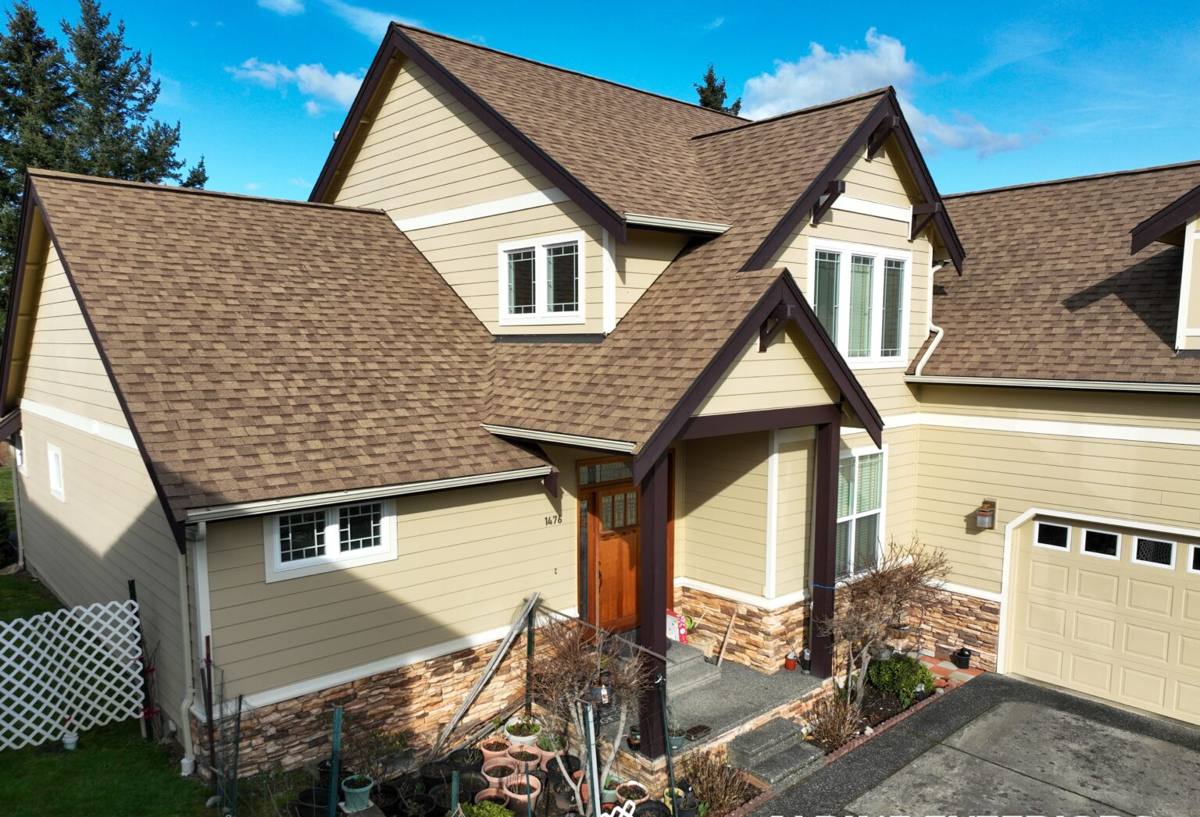
What Salt Air, Driving Rain, and Moss Season Actually Do to a Window
Salt Air
Airborne salt accelerates corrosion on hardware, fasteners, and unprotected metal components. Left unaddressed, it pits screws and weakens the small parts that hold a window's weatherstripping and locking mechanisms in place. It also degrades certain finishes faster than manufacturers' standard warranties assume, which is part of why material choice matters more here than in a landlocked town.
Driving Rain
Wind-driven rain doesn't just fall on a window — it gets pushed sideways into every gap, joint, and nail hole. A window that's watertight in a light, straight-down rain can still leak under driving rain if the flashing and sealant details weren't built for that load. This is one of the most common reasons a "fine for years" window suddenly starts leaking: the original install never accounted for sideways water.
Moss and Sustained Moisture
Extended damp periods keep wood trim, sills, and surrounding siding wet for days at a time. That's exactly the environment moss and mildew need to take hold. Once organic growth gets a foothold around a window opening, it holds moisture against the building even longer, which speeds up rot in any wood components and keeps humidity pressed against seals that were never designed to stay wet constantly.
Signs Your Ferndale Home May Need New Windows
Not every window problem calls for full replacement, but these are the signs worth taking seriously before they turn into a bigger repair:
- Fogging or moisture between the panes of a double-pane window (a failed seal — this can't be fixed, only replaced)
- Soft or discolored wood trim around the frame, especially at the bottom corners
- Visible daylight or a noticeable draft when the window is closed and locked
- Difficulty opening, closing, or locking a window that used to operate smoothly
- Paint or finish that's peeling or bubbling on the interior sill or casing
- A musty smell near the window that doesn't go away with cleaning
- Visible moss, algae, or dark staining on the exterior trim surrounding the frame
- A noticeable rise in heating costs without any other explanation
If you're seeing two or more of these at once, it's worth having someone look at the whole opening — not just the glass — since window problems in this climate are often really trim, flashing, or wall-assembly problems wearing a window-shaped disguise.
Choosing a Window Frame Material for This Climate
Frame material matters more in a salt-air, high-rainfall climate than it does in most of the country. Here's how the common options actually perform under Ferndale's conditions:
| Material | How It Handles Salt Air & Rain | Maintenance Burden | Typical Lifespan Here |
|---|---|---|---|
| Vinyl | Doesn't corrode; handles moisture well; UV can affect cheaper formulations over decades | Low — occasional cleaning | 20–30 years |
| Fiberglass | Very stable in wet/salt conditions; minimal expansion or contraction | Low | 30+ years |
| Aluminum | Prone to corrosion and pitting near salt air unless well-coated; conducts cold, prone to condensation | Moderate to high | Varies widely with coating quality |
| Wood / wood-clad | Attractive but vulnerable to rot and moss growth if not maintained; needs a well-sealed exterior cladding to survive driving rain | High — regular inspection and refinishing | Depends heavily on upkeep |
We don't install unclad wood frames or bare aluminum on exterior-exposed openings as a matter of professional standard in this region — not because either product is inherently bad, but because both demand a level of ongoing maintenance that most homeowners don't want to keep up with once the driving rain and moss season set in year after year. Vinyl and fiberglass, by contrast, are built to shrug off exactly the conditions Ferndale sees most.
What a Correct Installation Actually Involves
The window unit itself is only part of the job. Most leaks and premature failures we see trace back to the installation details around the window, not a defective product. A correct install for this climate includes:
Flashing Sequenced for Water Shedding
Flashing tape and pan flashing need to be installed in the right order — sill pan first, side flashing lapped over it, house wrap lapped over the top — so that any water that gets past the window sheds down and out, never inward. This "shingle-style" layering is what actually stops driving rain, more than the window unit alone.
Proper Sill Pan and Sloped Sill
A sill pan creates a waterproof tray under the window with a slight slope to the exterior, so any water that does get in has somewhere to go besides your wall cavity. This is one of the most commonly skipped steps in older or rushed installations, and it's a big reason older homes develop hidden rot.
Sealant That Matches the Substrate
Not all sealants perform the same on every material, and using the wrong one is a common shortcut that fails within a couple of wet seasons. We match sealant to the surrounding cladding and frame material rather than using one generic caulk for every job.
Shimming and Fastening for a True, Square Fit
A window that's out of square binds, doesn't seal evenly, and puts uneven stress on hardware — accelerating wear in a climate that's already hard on moving parts and fasteners.
Insulation Without Overcompression
Gaps around the frame need to be insulated, but overfilling with expanding foam can bow the frame and cause it to bind or leak. Low-expansion foam or backer rod, applied correctly, keeps the frame true.
Full-Frame Replacement vs. Insert Windows
Homeowners often ask which approach we recommend, and the honest answer is: it depends on the condition of what's already there.
| Insert (Pocket) Replacement | Full-Frame Replacement | |
|---|---|---|
| Best when | Existing frame and sill are solid, dry, and square | Frame, sill, or surrounding trim shows rot, water damage, or poor original flashing |
| Access to flashing | Limited — reuses existing flashing and sill | Full access to redo flashing, sill pan, and insulation correctly |
| Disruption | Lower — faster, less exterior work | Higher — exterior trim and siding around the opening are opened up |
| Best fit for coastal/wet climates | Only if the opening is confirmed dry and sound | Often the better long-term choice when moisture history is unknown or trim is already showing wear |
Given how common hidden moisture damage is around older openings in this area, we always check the condition of the existing sill and framing before recommending either option — an insert installed over a rotting sill just hides the problem for a few more years instead of solving it.
Our Installation Process
The steps stay consistent whether it's one window or a whole house:
- On-site assessment — we look at each opening from both inside and outside, checking sills, trim, and any signs of past water intrusion before recommending an approach.
- Accurate measurement and product selection — sizing, frame material, and glass package chosen for the specific opening and its exposure to wind and rain direction.
- Removal — old unit removed carefully to protect surrounding siding and trim wherever possible.
- Inspection of the opening — this is the step that catches hidden rot or old flashing failures before they get sealed back up behind a new window.
- Any necessary repair — damaged sheathing, sill, or trim addressed before the new window goes in, not after.
- Flashing and sill pan installation — built in the correct water-shedding order for this climate.
- Window installation, shimming, and squaring — set true, fastened correctly, insulated without overcompression.
- Sealing and trim finishing — exterior sealant matched to substrate, trim reinstalled or replaced as needed.
- Final function check — every window opens, closes, locks, and seals as it should before we call the job done.
What Affects the Cost of a Window Installation Project
Every home is different, but these are the main variables that move the price up or down:
| Factor | Why It Matters |
|---|---|
| Frame material | Vinyl is typically the most budget-friendly; fiberglass and wood-clad options cost more upfront |
| Insert vs. full-frame | Full-frame work involves more labor, trim, and exterior repair |
| Number and size of openings | Larger units and more windows increase both material and labor time |
| Condition of the existing opening | Rot or old flashing failures add repair time before the new window can go in |
| Glass package | Higher-performance glass (better U-factor, coatings) costs more but pays off in comfort and energy use |
| Access and site conditions | Second-story or hard-to-reach openings take longer to work safely |
We'd rather walk your specific home and give you real numbers than quote a range that doesn't mean much for your situation — every Ferndale property carries a different combination of these factors.
Why It Matters That We Already Work in Ferndale
A crew that installs windows regularly in this part of Whatcom County has already seen how salt air, wind direction, and moss buildup play out on real homes across multiple wet seasons — not just in a manufacturer's spec sheet. That shows up in small decisions: which sealant actually holds up, how much slope a sill pan needs for the rain this area gets, and which frame materials are worth the extra upfront cost versus which ones just add maintenance work down the road. It also means we're not guessing at permitting or inspection expectations local to this area — we've been through the process before.
None of that replaces a careful look at your specific home, but it does mean fewer surprises and a job built for the conditions your windows will actually face, not just the conditions on a national average.
Keeping New Windows Performing Through Moss Season
A correctly installed window still benefits from a little seasonal attention in this climate. A few habits go a long way:
- Rinse or brush off moss and algae buildup on exterior trim before it spreads onto the frame itself
- Check exterior caulk lines once a year for cracking or separation, especially after a hard winter
- Keep gutters and downspouts clear so runoff isn't sheeting directly across window openings
- Wipe down interior sills periodically during heavy rain stretches to catch condensation early
- Trim back vegetation that holds moisture against exterior trim near windows
None of this is heavy maintenance — it's the kind of upkeep that, done consistently, helps a well-installed window actually reach the lifespan it's built for in this climate instead of falling short of it.
Get a Straight Answer About Your Windows
If you're dealing with drafts, fogged glass, soft trim, or a window that just doesn't operate the way it used to, we're happy to take a look and give you an honest read on whether it's a repair, an insert replacement, or a full-frame job — no pressure either way. Use the form below to request a free estimate for your Ferndale home.