 Glenhaven Siding
 Window Installation Built for Lynden's Weather
Windows in and around Lynden do more work than people realize. Between the salt-laden air moving inland off the Sound, the driving rain that comes sideways in a winter blow, and the long moss season that keeps everything damp for months at a time, a window here is under near-constant pressure from moisture. A window installed correctly can handle all of that for decades. A window installed with shortcuts will show it within a year or two, usually as a soft spot on the sill, a foggy pane, or a draft that wasn't there before.
This page is about one job, done right, in one area: window installation for homes in the Lynden community, by a crew based out of Glenhaven that already works this part of Whatcom County. We're not going to give you a generic rundown of window types. We're going to walk through what actually matters when the window has to survive our specific climate, and what a correct installation looks like from start to finish.
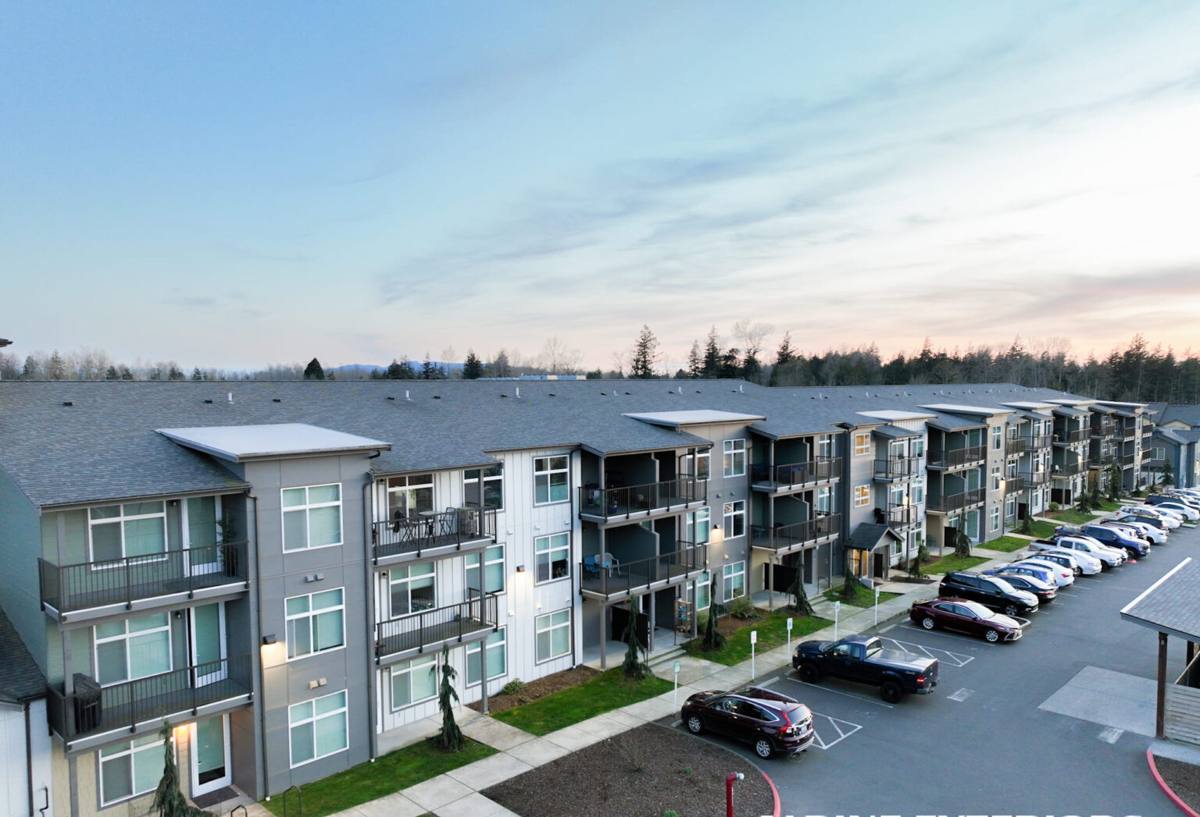
What Whatcom County Weather Does to Windows
Three conditions do most of the damage to windows out here, and they don't act alone — they compound each other.
Salt Air
Homes closer to the water pick up salt-laden moisture in the air. Over time it accelerates corrosion on window hardware — hinges, cranks, balance systems, and any exposed fasteners. Aluminum and lower-grade steel components corrode faster than they would inland. This is one reason hardware quality matters as much as the glass itself.
Driving Rain
Wind-driven rain doesn't just hit a window — it gets pushed sideways and upward, testing every seal and flashing detail around the frame. A window that would stay dry in a calm rain can leak in a Whatcom County wind event if the flashing wasn't lapped correctly or the sill pan was skipped. Most water intrusion problems we find aren't glass failures at all — they're installation details around the perimeter of the window.
Moss and Prolonged Dampness
Our long moss season isn't just a roof and siding issue. Moss and algae hold moisture against exterior trim and window frames for extended stretches, which is exactly the condition that leads to wood rot in sills and casings and to failed seals in older aluminum frames. A window opening that stays damp for weeks at a time needs materials and detailing that can tolerate that, not just look good on install day.
Signs a Lynden Home Needs New Windows
- Fog or moisture trapped between panes — the seal has failed and the insulating gas is gone
- Soft, spongy, or discolored wood at the sill or lower corners of the frame
- Drafts you can feel near the frame edge even with the window latched
- Windows that are difficult to open, close, or lock — often a sign of frame warping or hardware corrosion
- Visible gaps between the frame and siding, or caulk that's cracked and pulling away
- Noticeably higher heating costs with no other explanation
- Condensation on the inside of the glass regularly, even in mild weather
What a Correct Installation Actually Involves
The window unit itself gets most of the attention, but in our climate the installation details around it matter just as much — arguably more, since that's where most leaks originate.
Removal and Opening Inspection
Once the old window is out, we check the rough opening for rot, water staining, or soft framing before anything new goes in. Installing a new window into a compromised opening just hides a problem that gets worse behind the wall.
Flashing and Water Management
Proper flashing is layered so that any water that does get behind the siding is directed back out, not into the wall cavity. This includes a sloped sill pan, correctly lapped window flashing tape, and integration with the existing weather-resistive barrier. Skipping or rushing this step is the single most common cause of the leaks we get called out to fix on other contractors' work.
Air Sealing and Insulation
The gap between the window frame and the rough opening needs to be sealed and insulated — not just caulked on the outside. Low-expansion foam or backer rod and sealant around the perimeter cuts drafts and keeps moist air from condensing inside the wall cavity.
Level, Plumb, and Square
A window that isn't set level and square won't operate smoothly and puts uneven stress on the seals and hardware, which shortens its life regardless of how good the unit was to begin with.
Interior and Exterior Finish
Trim, caulking, and paint or stain on the finished opening aren't cosmetic afterthoughts — they're the final layer of weather protection and they get done to the same standard as everything underneath.
Choosing the Right Window for This Climate
There's no single "best" window — the right choice depends on the home, the budget, and how exposed that particular wall is to wind and rain. Here's how the common options compare for a Whatcom County home:
| Frame Material | Moisture Tolerance | Maintenance | Typical Lifespan |
|---|---|---|---|
| Vinyl | Good — won't rot, handles damp climates well | Low — occasional cleaning | 20–30 years |
| Fiberglass | Very good — dimensionally stable in wet/dry cycles | Low | 30+ years |
| Aluminum | Fair — prone to corrosion near salt air unless well-coated | Moderate | 20–25 years |
| Wood (clad exterior) | Depends heavily on cladding quality and upkeep | Higher — exterior wood needs monitoring | 20–40 years with upkeep |
For homes exposed to salt air or driving rain, we generally steer clients away from bare aluminum frames and uncladded wood exteriors — not because those materials can't work, but because they demand more upkeep to hold up in this specific climate, and that maintenance burden is easy to underestimate. Vinyl and fiberglass tend to be the lower-maintenance, more moisture-tolerant choices for most Lynden-area homes, though we'll talk through the honest trade-offs for your specific house rather than push one product line.
Glass Packages
Dual-pane glass with a low-E coating and argon gas fill is the standard baseline for our climate — it manages both insulation and condensation control better than older single-pane or basic dual-pane units. Triple-pane adds further insulation value and is worth discussing for north- or west-facing walls that take the brunt of our weather, though it comes at a higher cost that doesn't pencil out for every wall of every house.
Our Process for Lynden Homes
- On-site assessment — we look at each window opening individually, not just the house as a whole, since exposure varies wall to wall
- Written estimate — clear pricing by window, with material and glass options explained plainly
- Scheduling around weather — we plan install days to minimize the time any opening sits exposed
- Removal, inspection, and any needed opening repair — done before the new unit goes in, not glossed over
- Installation with full flashing and air-sealing detail — the part that actually determines whether the window stays dry
- Finish work — trim, caulking, and cleanup
- Final walkthrough — we operate every window with you before we call the job done
Why Hiring a Crew That Already Works Lynden Matters
Window installation isn't exotic work, but doing it correctly in this climate takes judgment that comes from repetition in this specific area. A crew that regularly works Lynden and the surrounding Glenhaven area already knows which wall orientations take the worst of the wind-driven rain, what typical rough-opening conditions look like in homes of this area's common vintages, and how much margin to build in for our moss season before it becomes a moisture problem. That's not something you get from a crew that installs windows all over the state and passes through once. It's local pattern recognition, and on a job where the installation detail matters more than the product label, that experience shows up in how long the window lasts.
Keeping New Windows Performing Long-Term
A correctly installed window still benefits from basic upkeep, especially given our conditions:
- Rinse accumulated salt residue off frames and hardware periodically if you're closer to the water
- Keep moss and organic debris cleared from sills, tracks, and surrounding trim
- Check that exterior caulking stays intact, especially after a hard winter
- Operate locks and cranks a few times a year so hardware doesn't seize
- Watch for any soft spots developing at the sill or lower trim and address them early
None of this is intensive, but a five-minute check twice a year catches small issues — a cracked bead of caulk, a sticky lock — before they turn into water intrusion or a hardware replacement.
Get a Straightforward Estimate
If you're dealing with drafty, foggy, or hard-to-operate windows, or you're planning ahead before the next wet season sets in, we're glad to come take a look. Estimates are free, there's no pressure, and we'll give you an honest read on what your home actually needs — nothing more, nothing less. Fill out the form below to get started.