 Glenhaven Siding
 Windows Built for Puget's Weather, Not Just the Catalog Photo
Puget homes sit in one of the tougher microclimates for exterior building products in Whatcom County. You've got salt air working the metal components, wind-driven rain that finds every gap a window wasn't sealed to handle, and a moss season that stretches longer here than it does further inland. A window that performs fine in a showroom in Bellingham can still underperform once it's facing straight into a Puget storm for a few winters. When we talk about "energy-efficient windows" for this area, we're not just talking about a sticker on the glass — we're talking about a window and installation method that's matched to what this specific stretch of Glenhaven actually throws at a house.
This page covers what that actually looks like: what local homes need, what a correct installation involves, how our process works, and why it matters to hire a crew that already knows Puget's conditions instead of one that's guessing.
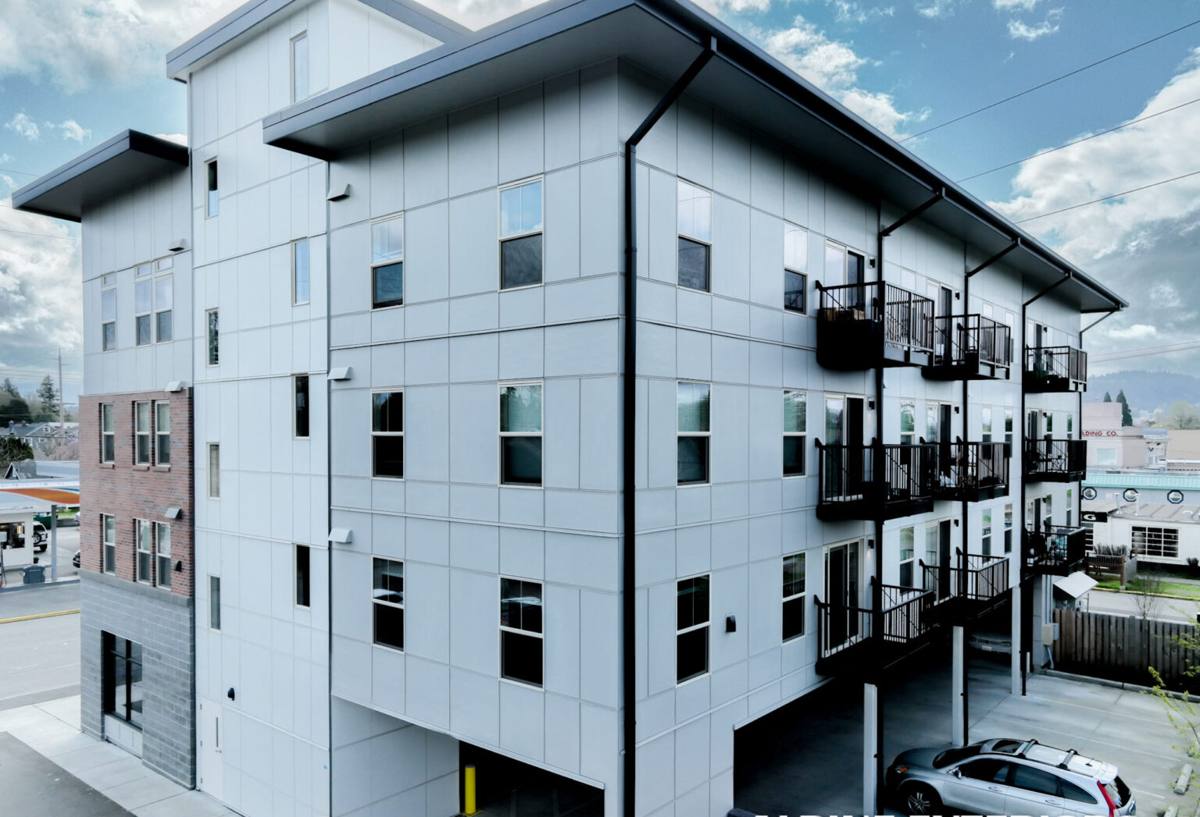
Why This Climate Is Harder on Windows Than People Expect
Salt Air
Homes closer to the water deal with airborne salt that settles on and around window components. Over time it accelerates corrosion on lower-grade hardware, fasteners, and some aluminum finishes. It doesn't ruin a window overnight, but it shortens the life of anything not built or finished to handle it, and it's a big reason we don't treat every window brand or hardware package as interchangeable in this area.
Driving Rain
Whatcom County storms don't just drop rain straight down — wind pushes it sideways into window assemblies, seams, and trim. A window that's watertight in a light rain can still leak under sustained wind-driven rain if the flashing, sill pan, and sealant details weren't done right. This is where most window "failures" in this area actually start: not with the window unit itself, but with how it was installed.
Moss and Sustained Dampness
A long moss season means extended stretches where trim, sills, and the areas around window openings stay damp longer than they would in a drier climate. Wood components that aren't properly protected or detailed are especially vulnerable to slow rot and moss growth right at the window perimeter, which is a maintenance and structural issue as much as a cosmetic one.
Signs Your Puget Home's Windows Are Losing the Battle
- Noticeable draft or cold spot near the window frame, even with it closed
- Condensation building up between panes, which usually means a failed seal
- Visible daylight or air movement around the frame when you check with your hand
- Wood trim or sills that feel soft, discolored, or show moss/mildew growth
- Difficulty opening, closing, or locking — swelling or warping from moisture exposure
- A noticeable jump in heating costs compared to homes of similar size nearby
Any one of these on its own might not mean much. Several together, especially on the sides of the house that catch the most wind and rain, usually mean the windows are past the point where caulking and weatherstripping will fix the problem.
What "Energy-Efficient" Actually Means Here
Efficiency ratings matter, but they only tell part of the story for a climate like this. A few terms worth understanding before you're comparing quotes:
U-Factor
Measures how well the window resists heat transfer — lower is better for keeping conditioned air inside during our cool, wet winters. This matters more than most other numbers for a marine climate like Puget's.
SHGC (Solar Heat Gain Coefficient)
Measures how much solar heat passes through the glass. In this climate, moderate SHGC is usually the right call — enough to take advantage of what sun we do get without overheating rooms that already face south or west.
Air Infiltration Rating
This one is directly tied to the driving-rain problem. A lower air infiltration rating means less opportunity for wind-driven rain to work its way past the frame, which protects both energy efficiency and the wall assembly behind it.
A window with excellent numbers on paper still won't perform if the installation doesn't seal it correctly to the rough opening — which is why we treat the install as equally important as the product spec.
Frame Materials: What Actually Holds Up Near Puget Sound
| Frame Material | How It Handles Salt Air & Moisture | Maintenance | Typical Fit for This Area |
|---|---|---|---|
| Vinyl | Doesn't corrode; handles moisture well | Low — occasional cleaning | Strong all-around choice for coastal exposure |
| Fiberglass | Very stable, resists expansion/contraction and corrosion | Low | Excellent for high-exposure walls, higher upfront cost |
| Wood-clad | Exterior cladding protects the wood, but any breach in the cladding invites rot | Moderate to high — needs inspection and upkeep | Works if maintained; riskier in constant damp/moss exposure |
| Aluminum | Can corrode over time in salt air unless properly finished; conducts heat/cold | Moderate | Less common as our first recommendation for this specific climate |
We're not against any of these materials as a category — the trade-off is always maintenance burden versus upfront cost versus how much exposure a given wall of the house actually gets. A window on a sheltered, north-facing wall has different needs than one taking the brunt of the weather. Part of our job is walking that trade-off with you honestly instead of pushing one product line regardless of fit.
What a Correct Installation Actually Involves
This is the part that gets skipped by crews that don't work this climate regularly, and it's the single biggest factor in whether a window leaks, drafts, or performs the way its rating suggests it should.
- Remove and inspect the opening — checking the sheathing and framing behind the old window for hidden rot or moisture damage before anything new goes in.
- Install a proper sill pan and flashing — this is what actually stops wind-driven rain from getting behind the window, not just the caulk bead around the trim.
- Set the window level, plumb, and square — a window that's slightly out of square will never seal or operate correctly, no matter how good the unit is.
- Seal and insulate the gap correctly — using the right materials around the frame so there's no thermal bridge and no path for water intrusion.
- Finish and weatherproof the exterior trim — the detail that protects against the moss and dampness issue over the long run.
- Test operation and seal integrity before calling the job done.
Skip any one of those steps and you can end up with a high-efficiency window that still drafts, still leaks in a sideways rain, or still grows moss at the sill within a couple of seasons.
How Our Process Works
1. On-Site Assessment
We look at your current windows, the condition of the openings, and which walls of the house are taking the most weather exposure. Not every window on a Puget home needs the same solution.
2. Straightforward Recommendation
You get an honest read on what's actually needed — full replacement, specific units that fit your exposure and budget, and why. No pressure to upgrade everything if part of the job can wait.
3. Measurement and Ordering
Precise measurements matter more here than in a dry climate — a loose-fitting window is an invitation for the exact problems described above.
4. Installation
Done to the standard outlined above: proper flashing, sill pan, sealing, and finish work, not just swapping the unit and caulking the edges.
5. Walkthrough and Cleanup
We confirm operation, check the seal, and leave the site clean.
Cost Factors to Understand Before You Compare Quotes
| Factor | Why It Affects Price |
|---|---|
| Frame material | Vinyl, fiberglass, and wood-clad carry different material and labor costs |
| Number and size of openings | Larger or custom-sized windows cost more to source and install |
| Condition of the existing opening | Hidden rot or framing damage found during removal adds repair work |
| Glass package | Double vs. triple pane, and coatings suited to marine climates, shift the price |
| Wall exposure | High-exposure walls facing prevailing wind and rain may warrant a higher-spec install |
We give broad, honest ranges up front rather than a number that sounds good on the phone and changes once we're on site. If we find hidden rot or damage once the old window is out, we'll tell you before doing any additional work, not after.
Why Hiring a Crew That Already Works Puget Matters
A contractor who works across Whatcom County regularly, and specifically in areas like Puget, already knows which walls of a typical home take the worst of the wind-driven rain, how long the moss season actually runs here, and which installation details matter most for salt-air exposure. That's not something you can fully make up for with a generic installation checklist written for a drier, calmer climate. It shows up in the small decisions — how much flashing overlap to use, which sealants hold up to sustained damp, how to detail a sill so moss doesn't get a foothold within a couple of seasons — and those small decisions are what separate a window that performs for twenty years from one that starts drafting or leaking in five.
Keeping Your Windows Performing Long-Term
- Rinse salt residue off frames and hardware periodically, especially on wind-exposed sides of the house
- Clear moss and debris from sills and tracks before it holds moisture against the frame
- Check weatherstripping and caulking each fall, before the heaviest rain sets in
- Watch for soft or discolored trim near window openings — catch rot early rather than late
- Make sure gutters and downspouts near windows are clear so runoff isn't pooling at the sill
A few minutes of seasonal attention goes a long way toward protecting the investment, especially given how much moisture this area sees over a typical year.
If your Puget home's windows are drafty, fogging, sticking, or just past their prime, we're happy to take a look and give you a straightforward, no-pressure assessment. Fill out the form below to request a free estimate.