 Glenhaven Siding
 Why Silver Beach Windows Wear Differently
Silver Beach sits close enough to the water that its homes take a different kind of weathering than houses even a few miles inland in Glenhaven. Salt-laden air, wind-driven rain that hits window walls sideways instead of straight down, and a long, damp moss season combine to attack window frames, seals, and flashing faster than most manufacturers' warranty language accounts for. A window that would last two decades in a drier part of Whatcom County can show real trouble in half that time here if it wasn't installed with this specific exposure in mind.
This page is about one job in one neighborhood: replacing windows on Silver Beach homes the right way, with the materials and installation details that actually hold up against this stretch of coastline. It's not a general overview of window replacement — it's what we've learned doing this work specifically in this microclimate.
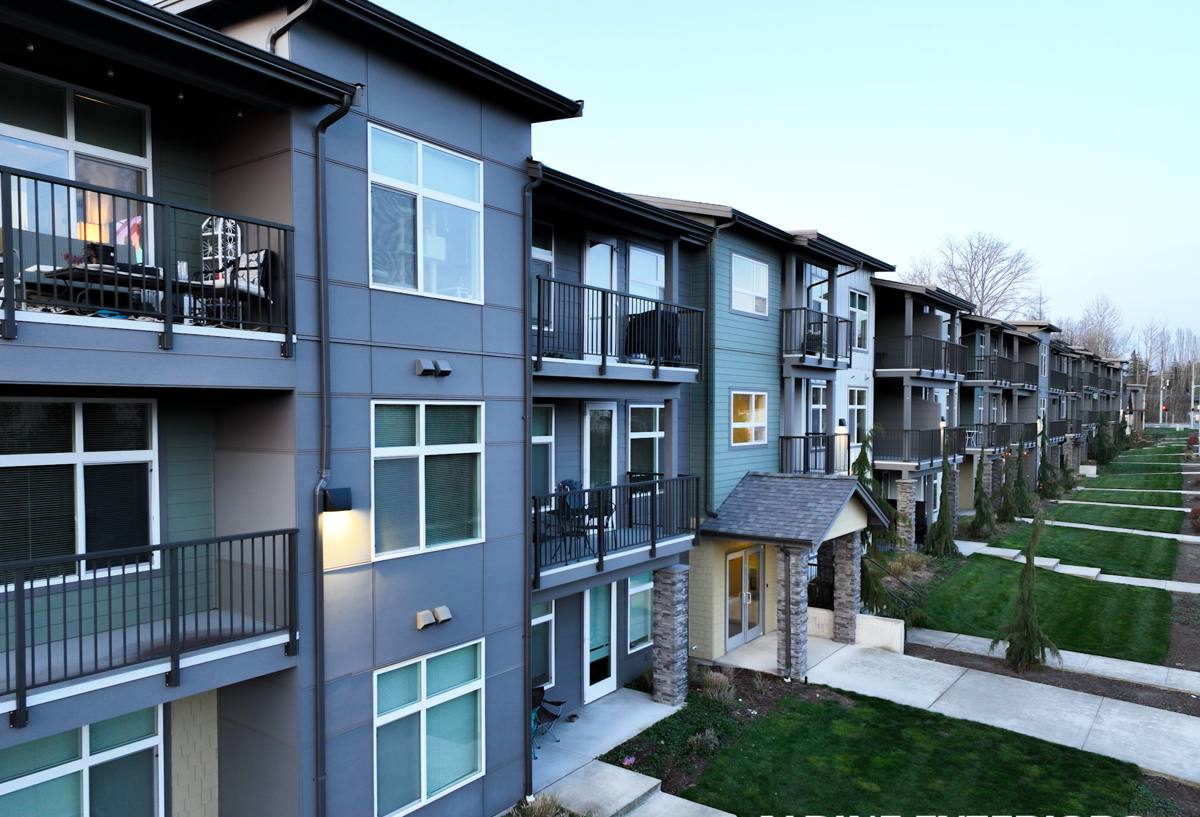
What Salt Air and Driving Rain Actually Do
Corrosion and Hardware Fatigue
Salt air accelerates corrosion on anything metal — hinges, cranks, balance systems, and especially lower-quality aluminum or steel components hidden inside a window assembly. Once hardware starts to bind or corrode, windows stop sealing tightly even if the glass and frame look fine from the outside. That gap is where moisture starts working its way into the wall.
Wind-Driven Water Intrusion
Rain that comes in sideways off the water doesn't behave like rain falling straight down. It gets pushed up under sills, into corner joints, and behind trim that would stay dry in a calmer setting. Windows here need to shed water aggressively at every seam, not just rely on caulk to hold a line.
Moss, Mildew, and Sustained Dampness
Glenhaven's moss season means long stretches where wood trim, sills, and any organic material around a window stay damp for days at a time. That sustained moisture is what turns a small gap in flashing or sealant into rot — often before anyone notices a leak from inside.
Signs a Silver Beach Home Needs Window Replacement
- Fogging or a visible haze between panes — the seal on the insulated glass unit has failed
- Soft, discolored, or crumbling wood at the sill or lower frame corners
- Windows that are hard to open, close, or lock — often a sign of frame swelling or hardware corrosion
- Visible gaps between the frame and siding, or caulking that's cracked and pulling away
- Persistent drafts near the window even when it's fully closed and latched
- A noticeable jump in heating costs without any other explanation
- Musty smell or soft drywall near a window after a heavy rain event
Choosing Materials for This Microclimate
Not every window on the market is a good fit for a salt-air, high-rain environment. Frame material matters more here than in most parts of the county, and it's worth understanding the trade-offs before deciding.
| Frame Material | How It Handles This Climate | Maintenance Burden |
|---|---|---|
| Vinyl | Good moisture resistance, doesn't corrode; quality varies a lot by manufacturer | Low — occasional cleaning |
| Fiberglass | Excellent stability in wet, salty conditions; minimal expansion/contraction | Low |
| Aluminum (uncoated or poorly coated) | Prone to pitting and corrosion near the water without a marine-grade finish | Higher — needs monitoring |
| Wood (unclad) | Handsome but vulnerable to rot and moss growth in sustained dampness | High — regular refinishing |
| Wood-clad | Better protected than raw wood, but cladding seams are a potential water entry point | Moderate |
We don't push one brand over another as a blanket rule — we size the recommendation to the specific exposure of the wall it's going on. A window on a covered, sheltered elevation of a Silver Beach home has different needs than one facing open water and prevailing wind. What we do avoid is recommending unclad wood or unfinished aluminum for direct water-facing exposures in this neighborhood — not because those products are bad in general, but because the maintenance burden and moisture risk here don't make sense for most homeowners' budgets or time.
Glass Package Considerations
Beyond the frame, the glass package matters for comfort and condensation control. Double-pane, low-E glass is the practical standard for this climate — it cuts down on heat loss during Whatcom County's cool, wet winters and helps limit interior condensation on cold glass surfaces, which is a common complaint in older single-pane homes near the water.
Our Window Replacement Process
1. On-Site Assessment
We start by walking the exterior and interior of the home, checking existing window condition, sill and frame moisture, and how each elevation is exposed to wind and rain. This tells us which windows need straightforward replacement and which openings may have underlying wall or sheathing damage that needs addressing first.
2. Measurement and Product Selection
Every opening gets measured individually — older Silver Beach homes are rarely perfectly square, and forcing a stock size into an out-of-square opening is one of the most common causes of premature seal failure. We talk through frame material and glass package options based on that wall's specific exposure, not a one-size-fits-all recommendation.
3. Removal and Opening Prep
Old windows come out carefully to avoid unnecessary damage to surrounding siding or trim. This is also when we inspect the rough opening, sill pan, and sheathing for any hidden rot or moisture damage that needs to be repaired before a new window goes in — installing a new window into a compromised opening just guarantees a repeat problem.
4. Flashing and Water Management
This is the step that determines whether a window replacement actually solves the water problem or just delays it. We detail this separately below because it's the part most likely to get shortcut by installers unfamiliar with coastal exposure.
5. Installation and Sealing
The new window is set, shimmed level and square, and mechanically fastened per manufacturer specification — not just foamed and caulked in place. Exterior sealant goes on at the right joints, in the right order, so water is directed out and down rather than trapped behind trim.
6. Interior and Exterior Finish
Trim is finished, any disturbed siding is properly reintegrated, and the work area is cleaned up. We check operation — opening, closing, locking — before we consider the job done.
Flashing and Sealing: The Part That Actually Matters
Most window failures we see near the water aren't a bad window — they're a window that was installed without proper attention to how water moves around it. Correct installation on a Silver Beach home means:
- A sloped sill pan that directs any water that gets past the window back outside, not into the wall cavity
- Flashing tape or membrane integrated with the home's existing weather-resistive barrier in the right shingle-lap order (top piece overlaps the one below it, always)
- Head flashing that sheds water forward and away from the top of the window, not just a bead of caulk
- Sealant used to supplement proper flashing — never as a substitute for it
- Weep holes and drainage paths left clear, not accidentally caulked shut
This level of detail takes longer than a rushed installation, and it doesn't show up in a quick visual inspection after the job is done. It's the difference that shows up five or ten years later, when a properly flashed window is still performing and a poorly flashed one has already let water into the framing.
What Affects the Cost
| Factor | Why It Matters Here |
|---|---|
| Frame material chosen | Fiberglass and higher-grade vinyl cost more up front but hold up better against salt air and rain exposure |
| Number and size of openings | Larger or custom-sized openings (common in older Silver Beach homes) cost more than standard stock sizes |
| Condition of the rough opening | Hidden rot or sheathing damage found during removal adds repair scope before the new window goes in |
| Exposure of the wall | Water-facing elevations may warrant a more robust flashing detail or glass package than sheltered walls |
| Trim and siding integration | Matching existing trim profiles or siding material adds labor beyond the window unit itself |
We give straightforward, itemized estimates rather than a single lump number, so you can see what's driving the cost and where there's room to adjust the scope if needed.
Why a Local Silver Beach Crew Makes a Difference
Window replacement done right depends on understanding exactly what a specific wall on a specific home is up against — and that's something you learn by working repeatedly in the same conditions, not from a general training manual. A crew that regularly works Silver Beach and the surrounding Glenhaven waterfront already knows which elevations tend to take the worst of the wind, how moss and dampness typically show up in this neighborhood's older housing stock, and what flashing details actually hold up here over time. That local pattern recognition means fewer surprises during the job and a install that's sized correctly for the exposure from day one, instead of a generic approach that has to be corrected later.
Before You Hire: Questions Worth Asking
- Will you inspect the rough opening for rot or moisture damage before installing the new window?
- What flashing method do you use, and does it integrate with the existing weather barrier?
- Are you recommending a frame material based on this wall's specific sun, wind, and water exposure?
- What's covered under the manufacturer's warranty versus your own workmanship warranty?
- Can you provide a written, itemized estimate before work begins?
- Do you carry liability insurance and, if required for the scope of work, appropriate licensing?
A contractor who answers these clearly and specifically — rather than with vague reassurance — is usually one who's done this work enough times to know exactly what matters.
Permits and Practical Considerations
Window replacement in Whatcom County may require a permit depending on the scope of work, particularly if the rough opening size is changing or structural framing is involved. A straightforward like-for-like replacement in an existing opening is often more limited in scope, but this varies by jurisdiction and project specifics. We handle the permit question as part of scoping the job so there are no surprises partway through.
If you're weighing whether to replace one failing window or handle several at once, it's worth knowing that grouping windows on the same elevation or same visit typically reduces per-window labor cost and lets us match trim and finish consistently across the wall — something that matters more on a home where matching sightlines are visible from the street or the water side.
If your Silver Beach home has windows showing any of the wear signs above, or you're simply due for an honest assessment of where things stand, we're glad to take a look. Reach out for a free, no-pressure estimate — the form below gets you started.