 Glenhaven Siding
 Building a Deck for Whatcom Falls Weather, Not Just the View
A deck in Whatcom Falls has to earn its keep in ways a deck in a drier climate never has to think about. Between the driving rain, the salt-laden air that drifts in off the water, and a moss season that can stretch for months, an outdoor structure here is under near-constant moisture pressure. A deck that looks great the day it's finished but wasn't built with this climate in mind will show problems within a few seasons — soft boards, rusted fasteners, slick green film on the walking surface, and framing that's rotting from the inside before anyone notices from the top.
We build and repair custom decks for homes in and around Whatcom Falls, and the approach we take here is different from what we'd use in a milder part of the state. Every material choice, every fastener, and every detail of the framing is picked with this specific climate in mind — not a generic deck spec pulled off a lumberyard shelf.
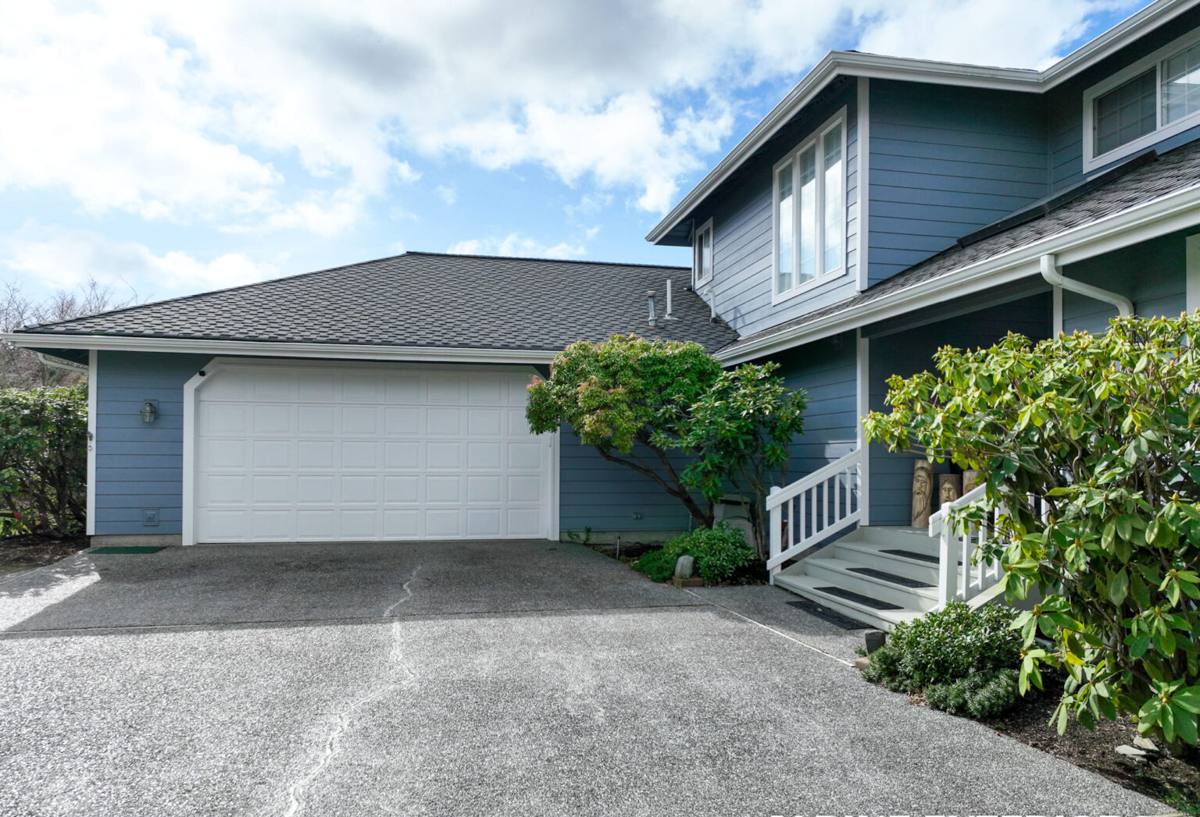
What This Climate Does to a Deck Over Time
Before talking about materials or process, it helps to understand exactly what a Whatcom Falls deck is up against. It's not one problem — it's three, and they compound each other.
Salt Air and Corrosion
Homes closer to open water deal with airborne salt that accelerates corrosion on anything metal. Standard fasteners, cheap joist hangers, and uncoated screws can start rusting well before the wood around them shows any wear. Once a fastener rusts, it weakens, stains the surrounding board, and eventually fails structurally — often long before the decking itself needs replacing.
Driving Rain and Standing Water
Rain here doesn't just fall straight down — it drives sideways against ledger boards, railings, and any horizontal surface that isn't properly sloped or flashed. Water finds the smallest gap in flashing or the tiniest crack in a fastener hole and works its way into wood fiber, where it does its real damage out of sight.
The Long Moss Season
Extended damp, shaded stretches of the year give moss and algae plenty of time to establish themselves on any deck surface that doesn't drain and dry quickly. Beyond looking bad, a mossy deck surface is a genuine slip hazard, and moss holds moisture against the board surface long after the rain has stopped, which shortens the life of the decking regardless of what it's made from.
Decking Material Options, Compared Honestly
There's no single "best" decking material for Whatcom Falls — there's a best material for a given budget, maintenance appetite, and how much sun or shade the deck actually gets. Here's how the common options actually perform in this climate.
| Material | Moss & Moisture Behavior | Maintenance | Typical Lifespan Here |
|---|---|---|---|
| Pressure-treated lumber | Absorbs moisture readily; needs sealing to resist moss and rot | Annual cleaning and re-sealing recommended | 10–15 years with upkeep |
| Cedar | Naturally rot-resistant but still needs periodic sealing in this rainfall | Sealing every 1–2 years, regular cleaning | 15–20 years with upkeep |
| Capped composite | Sheds water well; the cap resists moss staining better than the boards absorbing it | Occasional washing, no sealing | 25+ years |
| Uncapped composite | Can absorb moisture at cut edges and fastener holes; more prone to surface staining | Regular cleaning, edge sealing at cuts | 15–20 years |
We'll walk through these trade-offs honestly during an estimate rather than pushing whatever has the best margin. A homeowner who wants a natural wood look and doesn't mind the upkeep is making a legitimate choice — as long as they know what the upkeep actually involves in this climate.
The Structure Underneath Is What Actually Fails First
Homeowners tend to focus on the decking boards because that's what they see and walk on, but the framing underneath is what actually determines how long a deck lasts here. Boards can be replaced. Rotted joists, a failed ledger connection, or an undersized footing are a much bigger job.
Framing and Ledger Flashing
The ledger board — where the deck attaches to the house — is the single most common failure point on decks in wet climates. If it isn't properly flashed to shed water away from the house band joist, moisture works its way behind the ledger and rots both the deck framing and the house structure it's attached to. This is not a place to cut corners, and it's one of the first things we check on any deck we're asked to repair rather than build new.
Footings and Hardware Grade
Footings need to be sized and set to local frost depth and soil conditions, not just poured to whatever looked deep enough. And every piece of structural hardware — joist hangers, post bases, structural screws — needs to be rated for exterior, corrosion-prone use. In a salt-air environment, the difference between standard galvanized and a higher corrosion-resistant coating (or stainless, in the highest-exposure spots) is the difference between hardware that lasts the life of the deck and hardware that needs replacing in a decade.
Fasteners, Hardware, and Drainage Details
Stainless vs. Standard Galvanized
This is a detail that's invisible once the deck is finished but matters enormously over time. Standard galvanized fasteners are fine in a lot of the country, but closer to salt air and constant moisture, they corrode faster than the wood around them. We spec stainless or heavy-duty coated fasteners for ledger connections, structural hardware, and any fastener exposed to direct weather — it costs more up front and is invisible in the finished product, but it's the difference between a deck that needs fastener repairs in ten years and one that doesn't.
Keeping Moss From Taking Over
Moss needs standing moisture and shade to establish itself, so the fix starts with drainage and airflow, not just cleaning after the fact. Proper board spacing lets water drain through rather than pool on the surface. Keeping the area underneath the deck ventilated — rather than boxed in and damp — keeps moisture from wicking back up into the framing and decking from below. Grading the ground under and around the deck so water moves away rather than sitting is a small detail during construction that saves a lot of moss-scrubbing later.
Our Process for a Whatcom Falls Deck Build
Every deck starts with a site visit, because the right approach depends on sun exposure, drainage, how close the home is to open water, and what the existing structure (if any) looks like underneath.
- On-site assessment of drainage, grading, sun/shade exposure, and any existing deck or ledger condition
- Material discussion based on budget, maintenance tolerance, and how exposed the deck will be to rain and salt air
- Permit handling where required for the size, height, or attachment type of the deck
- Proper ledger flashing and house-side moisture protection before any framing goes up
- Framing built to local frost-depth footing requirements with corrosion-rated hardware throughout
- Board spacing and slope set for drainage, not just appearance
- Final walkthrough covering how to care for the specific materials installed
Railings, Stairs, and Finish Details Built for Wet Weather
Railings and stair treads take a disproportionate amount of weather exposure because they're vertical and horizontal surfaces both catching driving rain directly. We pay the same attention to fastener grade and moisture management on rails and stair stringers as we do on the deck frame itself — a beautiful deck with a railing that's rusting or rotting at the post base within a few years isn't a job well done. Stair treads in particular need the same drainage thinking as the main deck surface, since a mossy stair tread is a genuine safety issue, not just a cosmetic one.
Maintenance to Expect, and Why a Local Crew Matters
What Maintenance Actually Looks Like
No decking material in this climate is truly maintenance-free, no matter what the marketing says. What changes by material is how much and how often.
- Periodic washing to remove moss, algae, and organic debris before it stains or holds moisture
- Sealing or staining wood decking on a schedule appropriate to the species (more often for pressure-treated, less for cedar, none for capped composite)
- Checking fastener heads and hardware for early signs of corrosion, especially in the first few years
- Keeping gutters and downspouts near the deck clear so runoff isn't dumping directly onto or under the structure
- Clearing debris from between boards and off the ledger flashing area each fall
Why Hire a Crew That Already Works Whatcom Falls
A contractor who builds decks all over the state, in all kinds of climates, is going to default to general-purpose specs — because that's what works most places. A crew that regularly works Whatcom Falls knows which fastener grade holds up to the salt air here, how deep footings need to go for the local frost line, and which parts of a deck actually need the extra attention versus which are fine with a standard approach. That local pattern recognition is what keeps a deck from becoming a maintenance headache five years in, and it's the difference between a deck that's built to a spec sheet and one that's built for this specific address.
If you're planning a new deck or need an honest look at an existing one, we're happy to come take a look and talk through the options — no pressure, no obligation. Use the form below to request a free estimate.